The oil and gas industry is at a pivotal moment. As global energy demands rise and environmental regulations tighten, companies must adapt their inspection strategies to ensure safety, efficiency, and compliance. Traditional inspection methods are no longer sufficient to meet the challenges of modern operations. This blog post explores innovative approaches to inspection in the oil and gas sector, highlighting the importance of technology, data analytics, and proactive strategies.
The Need for Change in Inspection Strategies
Current Challenges
The oil and gas industry faces numerous challenges that necessitate a transformation in inspection strategies:
- Aging Infrastructure: Many facilities are decades old and require regular inspections to prevent failures.
- Regulatory Compliance: Stricter regulations demand more frequent and thorough inspections.
- Safety Risks: The potential for accidents and environmental disasters makes effective inspections critical.
- Cost Management: Companies must balance the costs of inspections with the need for safety and compliance.
The Role of Technology
Technology plays a crucial role in transforming inspection strategies. By integrating advanced tools and methodologies, companies can enhance their inspection processes significantly. Here are some key technologies making an impact:
- Drones: Unmanned aerial vehicles (UAVs) can access hard-to-reach areas, providing high-resolution imagery and data without putting personnel at risk.
- Robotics: Robotic systems can perform inspections in hazardous environments, reducing the risk to human inspectors.
- IoT Sensors: Internet of Things (IoT) devices can monitor equipment in real-time, providing continuous data that can predict failures before they occur.
Innovative Inspection Techniques
Remote Inspections
Remote inspections have gained popularity due to their efficiency and safety benefits. Using drones and cameras, inspectors can assess facilities without being physically present. This method not only saves time but also minimizes the risk of accidents.
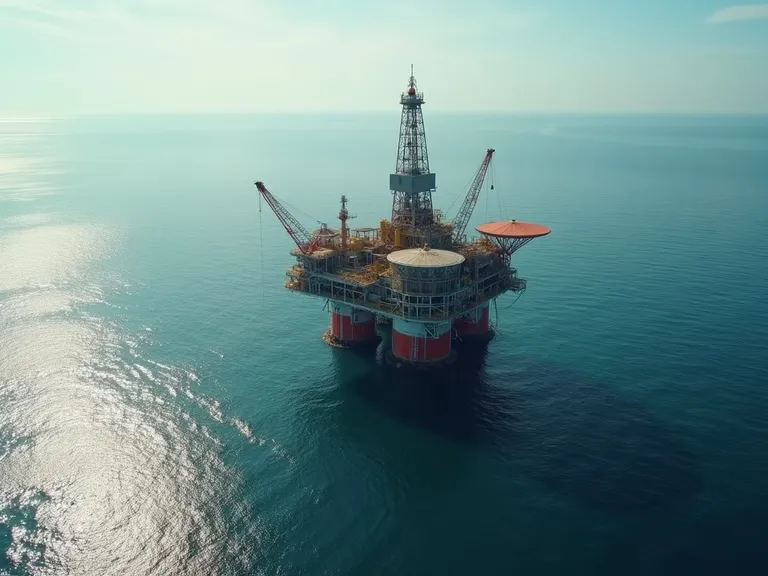
For example, a major oil company recently implemented drone inspections for its offshore platforms. The drones provided detailed images and data, allowing engineers to identify potential issues without sending teams into dangerous environments.
Predictive Maintenance
Predictive maintenance leverages data analytics to forecast equipment failures. By analyzing historical data and real-time sensor information, companies can schedule maintenance before problems arise. This approach reduces downtime and extends the lifespan of equipment.
A case study involving a gas processing plant demonstrated the effectiveness of predictive maintenance. By implementing an analytics platform, the plant reduced unplanned outages by 30%, leading to significant cost savings.
Digital Twins
Digital twin technology creates a virtual model of physical assets, allowing for real-time monitoring and analysis. This approach enables companies to simulate various scenarios and assess the impact of different variables on operations.
For instance, a pipeline operator used digital twins to monitor the integrity of its pipelines. By simulating various stress scenarios, the operator could identify weaknesses and address them proactively, enhancing safety and reliability.
Data-Driven Decision Making
Importance of Data Analytics
Data analytics is transforming how companies approach inspections. By harnessing large volumes of data, organizations can make informed decisions that enhance safety and efficiency. Key benefits include:
- Improved Accuracy: Data-driven insights lead to more accurate assessments of equipment conditions.
- Enhanced Reporting: Automated reporting tools streamline documentation, ensuring compliance with regulatory requirements.
- Informed Strategy Development: Companies can develop targeted inspection strategies based on data trends and patterns.
Case Study: A Data-Driven Approach
A leading oil and gas company implemented a data analytics platform to enhance its inspection processes. By analyzing data from various sources, including sensors and historical inspection reports, the company identified patterns that indicated potential failures. This proactive approach allowed them to address issues before they escalated, resulting in a 25% reduction in inspection-related incidents.
Training and Workforce Development
Importance of Skilled Inspectors
As inspection strategies evolve, so too must the skills of the workforce. Companies must invest in training programs to ensure inspectors are equipped with the knowledge and tools needed to perform their jobs effectively.
Training Programs
Effective training programs should focus on:
- Technology Proficiency: Ensuring inspectors are comfortable using drones, robotics, and data analytics tools.
- Safety Protocols: Reinforcing the importance of safety in all inspection activities.
- Regulatory Knowledge: Keeping inspectors informed about the latest regulations and compliance requirements.
Future Trends in Inspection Strategies
Increased Automation
The future of inspection in the oil and gas industry will likely see increased automation. As technology continues to advance, companies will rely more on automated systems for inspections, reducing the need for human intervention in hazardous environments.
Integration of AI
Artificial intelligence (AI) will play a significant role in analyzing inspection data. AI algorithms can identify patterns and anomalies that may not be immediately apparent to human inspectors, leading to more accurate assessments and timely interventions.
Sustainability Focus
As the industry shifts towards sustainability, inspection strategies will need to align with environmental goals. This may include more frequent inspections of facilities to ensure compliance with environmental regulations and the adoption of greener technologies.
Conclusion
Transforming inspection strategies in the oil and gas industry is essential for meeting the challenges of today and tomorrow. By embracing technology, data analytics, and proactive approaches, companies can enhance safety, efficiency, and compliance. The future of inspections lies in innovation, and those who adapt will thrive in an increasingly competitive landscape.
As the industry evolves, it is crucial for companies to stay informed about the latest trends and technologies. Investing in training and development will ensure that the workforce is prepared to meet the demands of modern inspections. By taking these steps, organizations can not only improve their inspection processes but also contribute to a safer and more sustainable future for the oil and gas sector.